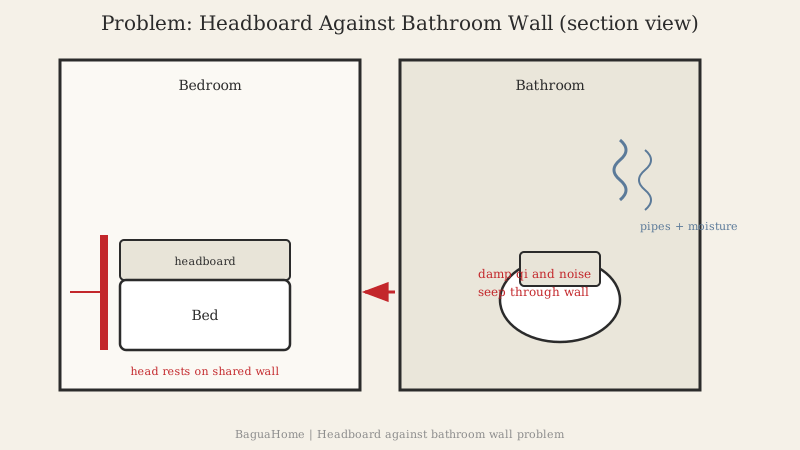
Quick answer: a headboard against a bathroom wall means sleeping against plumbing, moisture and noise. Move the bed if possible; if not, create a solid buffer between head and wall.
Why Headboard Against Bathroom Wall Is a Problem
Classical explanation: behind your head should be the most stable, quiet yin in the room. A wall with running water and drainage pipes carries movement and downward qi exactly where your head rests – the mind never fully settles. Modern angle: wall-transmitted noise and vibration from pipes fragment the sleep cycles you are not aware of waking for.

Three-Tier Fixes
Tier 1: Zero-cost adjustment
Rotate the bed so the headboard sits against a solid interior wall – even swapping head and foot helps if space is tight.
Tier 2: Blocking objects
Install a full-height bookshelf or a thick upholstered headboard to create a solid buffer between your head and the wet wall.
Tier 3: Layout change
Re-route the plumbing inside the wall, or reconfigure the bedroom so no sleeping position touches the bathroom wall.

FAQ
What if it is the kitchen wall instead? Fire element behind the head – same tiered fixes apply.
Does the shared wall of a neighbor bathroom count? Pipes count, whatever is on the other side.
Thick headboard alone enough? Usually yes for noise; add a tall plant row for the moisture side.